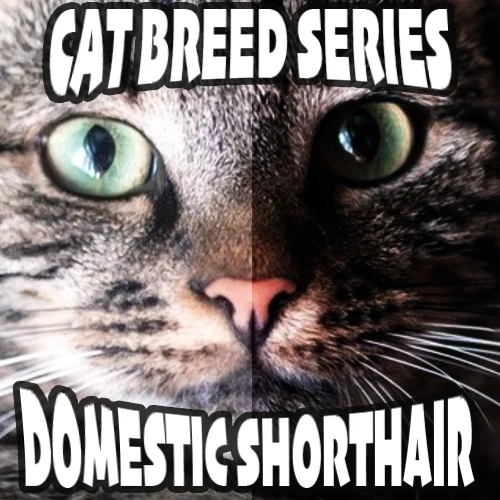
The Domestic Shorthair Cat: America’s Beloved Feline Companion
Table of Contents
Domestic Shorthair cats hold a special place in the hearts of cat lovers everywhere. Known for their diverse appearances and adaptable personalities, these felines are often referred to as the “mutts” of the cat world due to their mixed ancestry.
Despite lacking a fancy pedigree, this particular cat breed is cherished for their unique charm, intelligence, and easygoing nature. In this post, we’ll explore everything you need to know about this versatile and lovable breed, from their history to their care requirements.
Introduction to the Domestic Shorthair
Domestic Shorthair cats are not a specific breed but rather a category of cats with short coats and diverse genetic backgrounds. They are the most common type of cat in the United States, making up the majority of shelter and rescue populations. These cats come in every color, pattern, and size imaginable, which means there’s a Domestic Shorthair to suit every cat lover’s preference.
The breed is often celebrated for its low-maintenance grooming needs, robust health, and adaptability to various living situations. Whether you’re in a bustling city apartment or a quiet suburban home, these cats are sure to make themselves comfortable.
10 Interesting Facts About Domestic Shorthair Cats
Check out the video below as it uncovers 10 fascinating facts about Domestic Shorthair cats that highlight why they’re one of the most popular pets in the world. Learn fun tidbits about their history, unique traits, and what makes them such cherished companions.
Behavior of the Domestic Shorthair

One of the most endearing qualities of the Domestic Shorthair is its unpredictable yet delightful personality. While their behavior can vary widely due to their mixed genetic makeup, some common traits include:
- Affectionate: Many Domestic Shorthairs are lap cats who love nothing more than curling up with their favorite human.
- Playful: They have a curious and playful side, making them great companions for families with children.
- Intelligent: These cats are quick learners and can even be trained to do tricks or use a leash.
- Independent: While they enjoy human company, they are also content to spend time on their own, making them ideal for busy households.
Domestic Shorthairs are highly adaptable, which means they can adjust to new environments or changes in routine with relative ease. Their friendly demeanor often makes them a hit at gatherings or when meeting new people.
Life Expectancy
This popular cat breed is known for their longevity and robust health, thanks in part to their diverse gene pool. On average, they live between 12 to 20 years, with many reaching their late teens or early twenties with proper care. Providing a balanced diet, regular veterinary checkups, and a stimulating environment can help ensure your shorthair leads a long, happy life.
Breed Rarity
Unlike purebred cats, Domestic Shorthairs are incredibly common, which contributes to their widespread popularity. They are not rare or exclusive, but this doesn’t diminish their value as loving companions. In fact, their availability makes them one of the most accessible pets for first-time cat owners and seasoned cat enthusiasts alike.
Common Health Issues
While Domestic Shorthairs are generally healthy, they can be prone to some common feline health issues:
- Obesity: These cats love their food, so portion control and regular exercise are essential.
- Dental Problems: Regular dental care, including brushing and vet cleanings, can help prevent gum disease.
- Urinary Tract Issues: Ensuring they stay hydrated and have a balanced diet can reduce the risk.
- Parasites: As with any cat, regular flea and tick prevention is a must.
Fortunately, their mixed genetic heritage often reduces the likelihood of hereditary conditions seen in purebred cats.
Domestic Shorthair Cat Breed Stats
Based on the most recent data available, here are some up-to-date statistics all about this wonderful cat breed:
- Domestic Shorthair cats make up approximately 95% of the cat population in the United States.
- They typically weigh between 8 to 15 pounds, with males often being larger than females.
- The average lifespan of a Domestic Shorthair cat ranges from 12 to 20 years.
- The cost of a Domestic Shorthair kitten can vary between $50 to $150.
- In 2023, approximately 6 million shelter cats were adopted, with cat adoptions increasing by 14% since 2019.
- Cat owners spend between $961 to $2,487 on their cats annually, with food being the largest expense at an average of $310 per year.
- The average cost of pet insurance for cats is $30 a month.
- 43% of cat owners get their cats from pet stores, while 40% adopt from animal shelters or rescues.
- Domestic Shorthairs can display a wide variety of colors, patterns, and personalities due to their mixed ancestry.
- These cats are generally known for being low-maintenance, adaptable, and having a lower risk of health issues compared to purebred cats.
Frequently Asked Questions
How do you identify a Domestic Shorthair cat?
Domestic Shorthairs come in a wide variety of colors and patterns, so their appearance alone isn’t a definitive identifier. However, their short, low-maintenance coat and lack of breed-specific traits often signal that they belong to this category.
Are Domestic Shorthair cats hypoallergenic?
No, Domestic Shorthairs are not hypoallergenic. While they may produce slightly less dander than long-haired breeds, they still release allergens that can trigger reactions in sensitive individuals.
What makes Domestic Shorthairs different from purebred cats?
Domestic Shorthairs are a mixed-breed group with diverse genetics, whereas purebred cats have specific lineage and consistent physical and behavioral traits. This diversity often makes them much healthier and more adaptable than their purebred counterparts.
Do Domestic Shorthair cats get along with other pets?
Yes, they are very sociable kitties and can coexist peacefully with other pets if properly introduced. Their friendly and adaptable nature makes them great companions in multi-pet households.
What’s the best way to care for a Domestic Shorthair?
Provide a balanced diet, regular exercise, routine vet visits, and plenty of love and attention. These cats thrive in environments where their physical and emotional needs are met.
The Kitty Kiosk’s Connection to Domestic Shorthairs
At The Kitty Kiosk, we’ve had the pleasure of knowing countless Domestic Shorthairs through our community of cat lovers. Their varied personalities and heartwarming stories never fail to bring a smile to our faces. Whether it’s their playful antics or their heart-melting snuggles, these cats truly embody what it means to be a beloved companion.
If you’re thinking of adopting a this breed, know that you’re not just bringing home a cat—you’re gaining a loyal friend and a cherished family member.
Domestic Shorthair Cat Products


Final Thoughts
The Domestic Shorthair is proof that you don’t need a fancy pedigree to be extraordinary. Their versatility, charm, and loving nature make them a favorite among cat enthusiasts. Whether you’re a seasoned cat owner or new to the feline world, they can bring endless joy and companionship to your life.
If you’re lucky enough to have one of these amazing cats in your home, we’d love to hear about your experiences! Share your stories, photos, and tips with us in the comments below or join our growing community at The Kitty Kiosk. Together, we can celebrate the unique beauty and personality of the Domestic Shorthair.
Loved this post? Explore more helpful cat care tips on our cat blog and join our community of cat lovers to share stories and advice!
About the Author: Milly Brown


Disclosure: This post contains affiliate links. If you purchase through these links, we may earn a commission at no extra cost to you.