


Wet Food or Kibble for Cats? What’s the Deal?
Table of Contents
Key Takeaway
Both wet food and dry kibble offer unique benefits for cats. Wet food excels in hydration and protein content, while kibble provides convenience and dental benefits. Many veterinarians recommend a mixed feeding approach to leverage the advantages of both. The best choice ultimately depends on your cat's specific health needs, age, and preferences, along with your lifestyle considerations.
Have you ever stood in the pet food aisle, staring at the endless options of wet food and dry kibble, wondering which one your feline friend would prefer—or more importantly, which one is actually better for them? If you’re nodding your head right now, you’re in good company! The wet food versus kibble debate is practically a rite of passage for cat parents, and today we’re diving deep into this culinary conundrum.
Cats are notoriously particular about their dining preferences, often making their feelings crystal clear when we attempt to change their routines. But beyond their personal tastes, there are genuine health considerations we should keep in mind when deciding between wet food, dry kibble, or a combination of both.
So grab your favorite beverage, get comfortable, and let’s explore the wonderful world of feline nutrition together. By the end of this article, you’ll feel much more confident about what should be going into your kitty’s bowl!
Wet Cat Food: The Juicy Details

Let’s start with wet food—those little cans and pouches of meaty goodness that make your cat come running at the sound of a can opener (even if you’re opening tuna for yourself!).
The Pros of Wet Food
Wet food brings several impressive benefits to the table (or rather, to your cat’s dish):
- Hydration Hero: Cats evolved as desert animals and naturally have a low thirst drive. Wet food contains about 70-80% water, helping keep your kitty hydrated. This is especially important for cats with urinary tract issues or kidney disease.
- Protein Powerhouse: Generally speaking, wet foods tend to have higher protein content and fewer carbohydrates than their dry counterparts. This more closely mimics your cat’s natural diet as an obligate carnivore.
- Appetite Appeal: Let’s be honest—wet food simply smells and tastes more enticing to most cats. The stronger aroma and texture can be a lifesaver for picky eaters or seniors with dental issues.
- Weight Management: The higher water content means cats feel fuller with fewer calories, potentially helping overweight kitties slim down while still feeling satisfied.
- Easier to Chew: For senior cats or those with dental problems, wet food requires less crunching and can be more comfortable to eat.
The Cons of Wet Food
Nothing’s perfect, and wet food does come with some drawbacks:
- Cost Considerations: Generally more expensive than kibble, especially for multi-cat households
- Convenience Factor: Requires refrigeration once opened and has a shorter shelf life
- Dental Concerns: Doesn’t provide the same mechanical cleaning action that crunchy kibble offers
- Messy Business: Can be messier than dry food, especially with enthusiastic eaters who enjoy flinging food around
- Environmental Impact: Creates more packaging waste compared to larger bags of dry food
Kibble: The Crunchy Contender

Now, let’s talk about dry food—those little crunchy morsels that make that satisfying sound when poured into a bowl.
The Pros of Kibble
Kibble brings its own set of advantages to your cat’s dining experience:
- Convenience Champion: Easy to store, measure, and serve, with a much longer shelf life than wet food
- Budget-Friendly: Generally more economical per serving than wet food
- Dental Benefits: The crunchy texture can help reduce plaque buildup (though this benefit is sometimes overstated)
- Free-Feeding Friendly: Can be left out safely for cats who prefer to graze throughout the day
- Less Waste: Creates less packaging waste compared to individual cans or pouches
The Cons of Kibble
But kibble isn’t without its drawbacks:
- Hydration Hurdles: Contains only about 10% moisture, which may not provide enough hydration, especially for cats who don’t drink much water
- Carb Concerns: Often contains more carbohydrates than wet food, which isn’t ideal for obligate carnivores
- Potential for Overeating: Some cats may overeat dry food, leading to weight issues
- Less Protein: Typically contains less animal protein than wet food options
- Potential Allergens: May contain more plant-based ingredients that could trigger allergies in sensitive cats
The Cat Food Nutrition Showdown: Wet Food vs. Kibble
Let’s look at how these options stack up nutritionally in this handy comparison chart:
| Factor | Wet Food | Kibble |
|---|---|---|
| Moisture Content | 70-80% | 6-10% |
| Protein Content | Generally higher | Generally lower |
| Carbohydrate Content | Generally lower | Generally higher |
| Caloric Density | Lower per volume | Higher per volume |
| Dental Benefits | Minimal | Some mechanical cleaning |
| Palatability | Highly appealing to most cats | Varies by cat |
| Cost per Serving | Higher | Lower |
| Shelf Life | 1-3 days refrigerated after opening | Months when properly stored |
What the Experts Say
Veterinarians and feline nutritionists often have valuable insights on this debate. While opinions vary, many experts suggest that wet food offers significant benefits, particularly when it comes to hydration.
Many veterinary nutritionists emphasize that cats evolved to get most of their water intake from their food. In the wild, their prey is roughly 70% water—quite similar to the moisture content of wet cat food.
However, veterinary research also shows that many cats live long, healthy lives on high-quality dry diets, especially when their water intake is carefully monitored.
The consensus among many experts? Either option can work well, provided it’s a high-quality food appropriate for your cat’s life stage and health needs. The key is understanding your individual cat’s needs.
The Best of Both Worlds: Why Not Both?
Here’s a revolutionary thought: what if you don’t have to choose? Many veterinarians recommend a mixed feeding approach, offering both wet and dry food to leverage the benefits of each.
Some possible combination approaches include:
- Daily Division: Wet food in the morning, kibble in the evening (or vice versa)
- Main Course Plus Snacks: Wet food as main meals with kibble available for grazing
- Weekly Rotation: Alternating days of wet and dry food
- Topper Method: Using wet food as a topper on kibble to increase moisture and appeal
A mixed approach can provide nutritional variety, keep mealtime interesting for your cat, and offer practical benefits for your lifestyle. Many cat parents find this balance works beautifully for both them and their feline friends.
Signs Your Current Food Choice Isn’t Working
How do you know if your food choice is right for your cat? Watch for these warning signs that might indicate a change is needed:
- Consistently leaving food untouched
- Excessive thirst or urination
- Digestive issues (constipation or loose stool)
- Vomiting after meals
- Unexpected weight changes
- Poor coat condition
- Reduced activity levels
- Recurring urinary issues
If you notice any of these signs, it might be time to reassess your cat’s diet, ideally with input from your veterinarian.
Making the Choice: Factors to Consider
What's Best For Your Cat? Quick Quiz!
Question 1: Does your cat drink water frequently?
When deciding between wet food, dry food, or a combination approach, consider these factors:
Your Cat’s Age and Health Status
- Kittens often benefit from the higher calorie and protein content of wet food
- Senior cats may appreciate the softer texture of wet food, especially if dental issues are present
- Cats with urinary tract issues typically need the extra moisture from wet food
- Diabetic cats often do better with the higher protein, lower carb profile of wet food
- Overweight cats might benefit from wet food’s lower caloric density and higher satiety factor
Your Lifestyle and Practical Considerations
- Budget constraints might lean toward dry food or a mix of both
- Time limitations might make kibble more practical for busy days
- Travel plans could make dry food more convenient when you’re away
- Work schedule might determine whether free-feeding dry food works better for your situation
Your Cat’s Preferences
Let’s not forget who’s really in charge here! Some cats have strong preferences about food texture and flavor. While you can gradually train a cat to accept new foods, their preferences matter too.
Transitioning Between Food Types
If you decide to change your cat’s diet, remember that abrupt switches can cause digestive upset. A gradual transition over 7-10 days is recommended:
- Days 1-3: 75% old food, 25% new food
- Days 4-6: 50% old food, 50% new food
- Days 7-9: 25% old food, 75% new food
- Day 10: 100% new food
For particularly finicky cats, you might need to extend this timeline even further, making changes over several weeks instead of days.
The Bottom Line: What’s Best for YOUR Cat?
After all is said and done, there’s no one-size-fits-all answer to the wet food versus kibble debate. The “best” choice depends on your individual cat’s health needs, your lifestyle, and practical considerations like budget and convenience.
High-quality nutrition—whether wet, dry, or a combination—is what matters most. Look for foods where:
- Meat is the primary ingredient
- The ingredient list is straightforward and recognizable
- The formula is appropriate for your cat’s life stage
- The product comes from a reputable manufacturer with good quality control
Remember, the best diet is one that keeps your cat healthy and that they’ll actually eat! Even the most nutritionally perfect food isn’t helpful if your cat refuses to eat it.
Have you found the perfect feeding solution for your cat? Are you team wet food, team kibble, or somewhere in between? Share your experiences in the comments—we’d love to hear what works for your cats!
And if you’re still uncertain about the best option for your specific cat, don’t hesitate to consult with your veterinarian. They can provide personalized recommendations based on your cat’s unique health profile and needs.
Happy feeding, fellow cat lovers! 🐾
Loved this post? Explore more helpful cat care tips on our cat blog and join our community of cat lovers to share stories and advice!
About the Author: Milly Brown


Disclosure: This post contains affiliate links. If you purchase through these links, we may earn a commission at no extra cost to you.
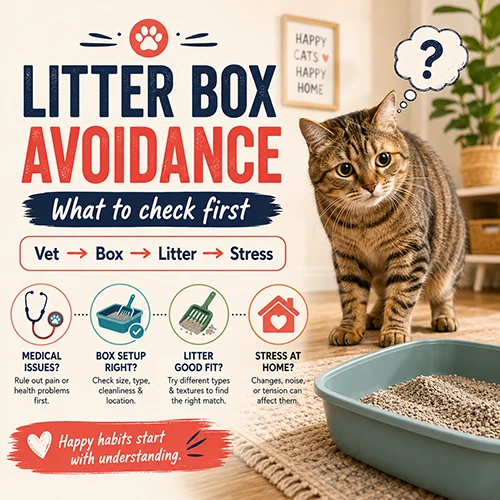


[…] treat it as a clinical sign rather than a preference, and read it alongside our breakdown of what actually separates wet food from kibble before you conclude it is just […]